02 / 05
Checklist before you ride
- Pricing model identified
- Currency and approximate range checked
- Tolls and supplements discussed
- Meter reset or app quote visible
- Itemised receipt requested
03 / 05
Understand the decision

Three common price models
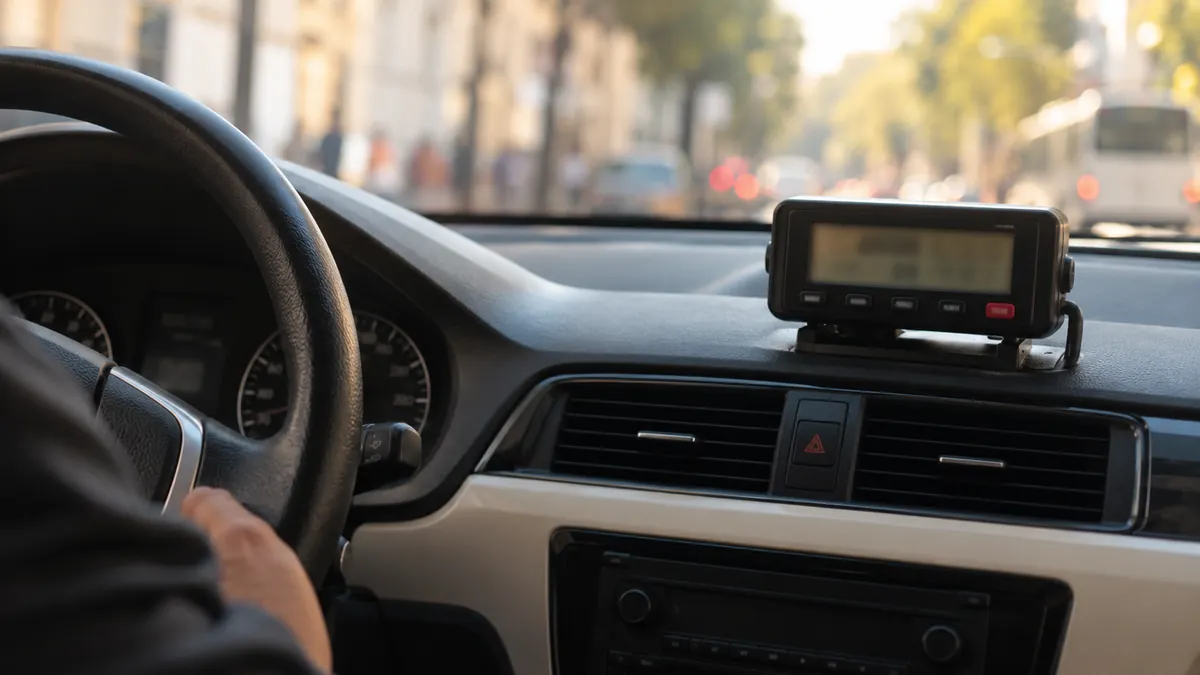
A meter combines a starting charge with distance and sometimes waiting time. A regulated flat rate applies to a defined route or zone. A booked ride may show an upfront quote with conditions for changes.
Extras that change the total
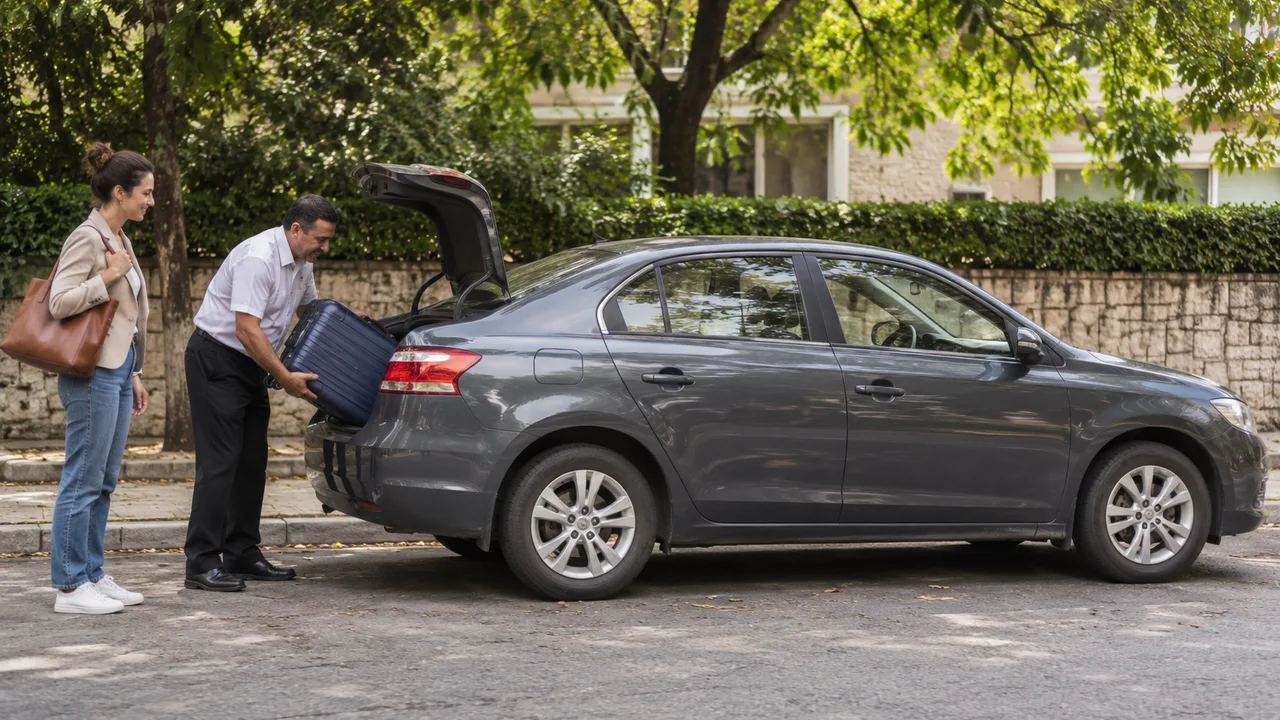
Airport fees, tolls, night or holiday supplements, extra stops and waiting can be separate. Luggage, card or passenger charges may be forbidden in one place and allowed in another. Verify, do not assume.
Create an evidence trail
Before departure, photograph or note the published rate when appropriate. At arrival, compare the meter or quote, ask for an itemised receipt and keep the vehicle or booking identifier.

Narita: a flat fare also depends on the route
NRT flat fares to Tokyo zones assume an expressway route, with tolls charged separately. Narita says the meter applies if the passenger chooses a non-expressway route. Compare the same district, time and route: a flat fare and a local trip estimate may describe different services.
What does the quoted price cover?
Open the case that matches your journey. A vehicle name alone does not explain the pricing rules.
Compare identical journeys: the same addresses, time, travellers and luggage. Add only charges that remain excluded. Comparison check: when one price is per vehicle and another per person, first calculate the whole-group total. If two vehicles are needed, confirm each vehicle’s price and extras rather than multiplying a fare intended for a different capacity.
04 / 05
Common questions
Can a taxi price be calculated exactly in advance?
Only for a binding or regulated flat rate. Metered trips can vary with route, traffic and waiting time.
What if the meter is not used?
Do not assume this is normal. Check whether a fixed fare legally applies, ask for the rule or quote, and use another vehicle if the explanation is unclear.
05 / 05
Sources and scope
Rules, fares and availability vary by place and can change. These official examples support the method; use the destination page and local authority for the current rule.
Plan and compare your transfer — Compare the group cost using real quotes and ticket prices in the same currency. Then review the essential checks before departure.